From Field to Form: Corn
A group of experts discuss the use of corn as a building material.
April 30, 2026
6:30 p.m.
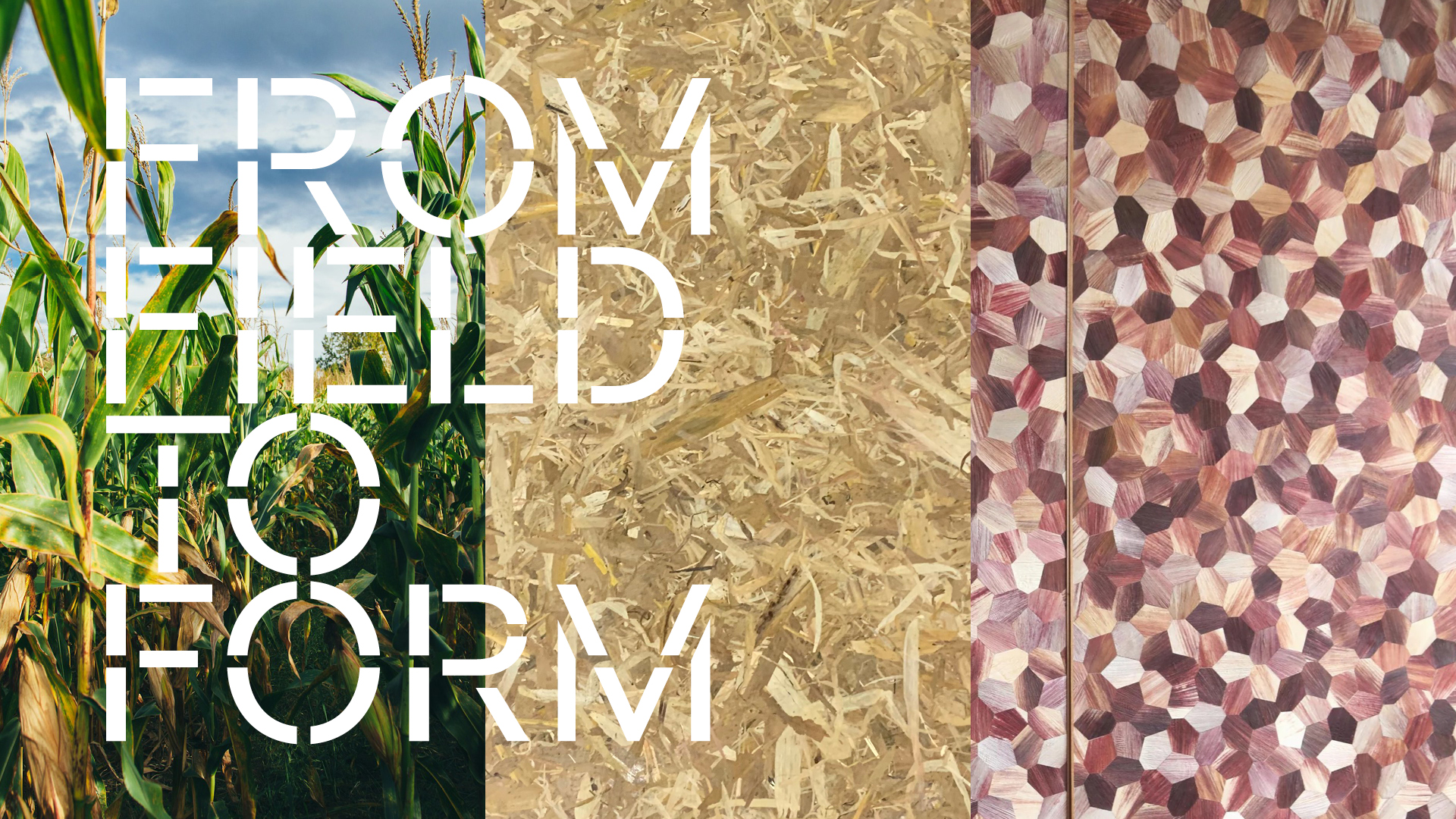
From Field to Form is a series of events exploring the possibilities, life cycles, and architectural implications of plant and earth-based materials.
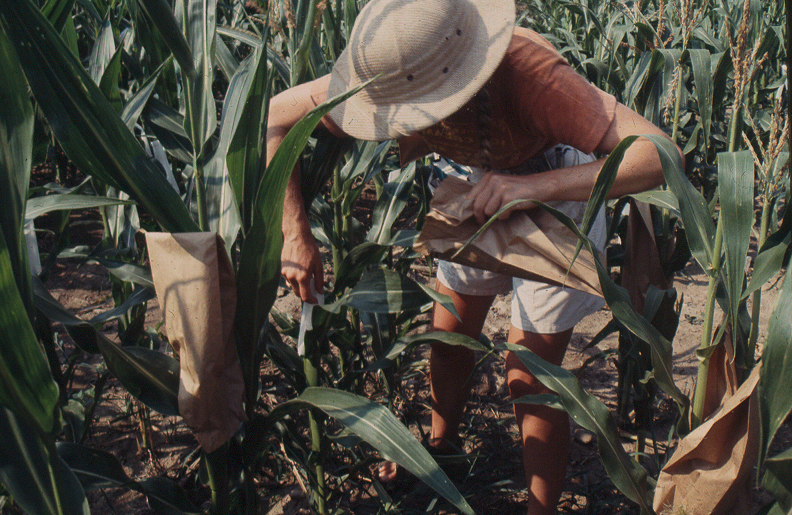
Corn, the world’s second-largest cultivated crop, offers potential far beyond food and fuel. After the harvest of the kernel, large quantities of corn stover (stalks, leaves, husks, and tassels) remain in the field. Often treated as waste or low-quality livestock feed, these by-products are an underutilized biological resource with significant potential for the biobased building materials industry.
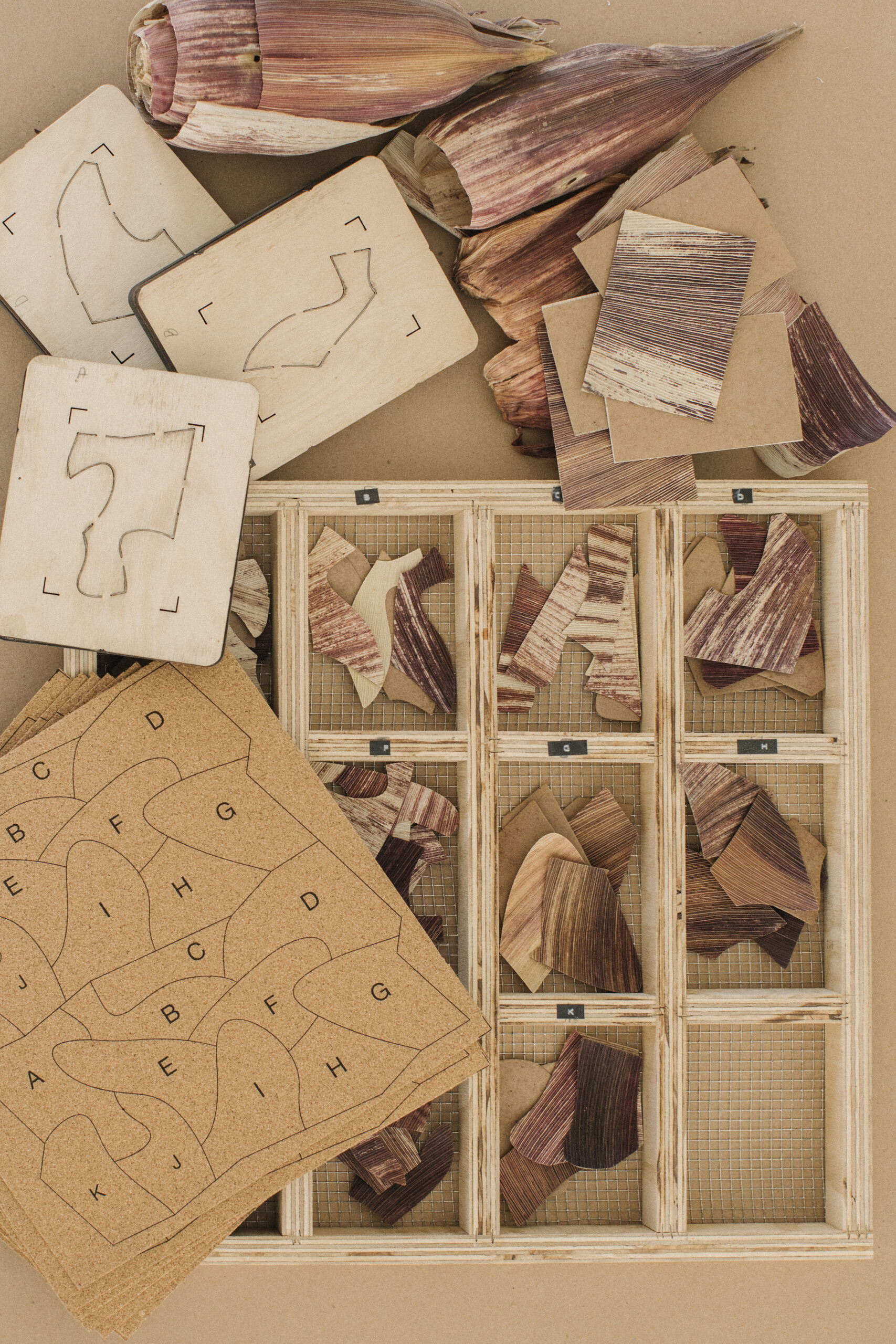
Corncob has been used for insulation, soil stabilization, and as a cement replacement when burned, while husk and stalk fibers can be engineered into high-performance materials to replace petroleum-based products. These innovations promote a circular economy and reduce environmental harm, reimagining the role of the entire corn plant to echo its historic importance as the “Bringer of Life” in Indigenous cultures.
Organized in partnership with Healthy Materials Lab at Parsons School of Design, this event will convene voices from across the life cycle of corn, including a plant geneticist, a materials researcher, and a designer, to explore how the corn byproducts might serve as new feedstocks for design, architecture, and construction.
Panelists
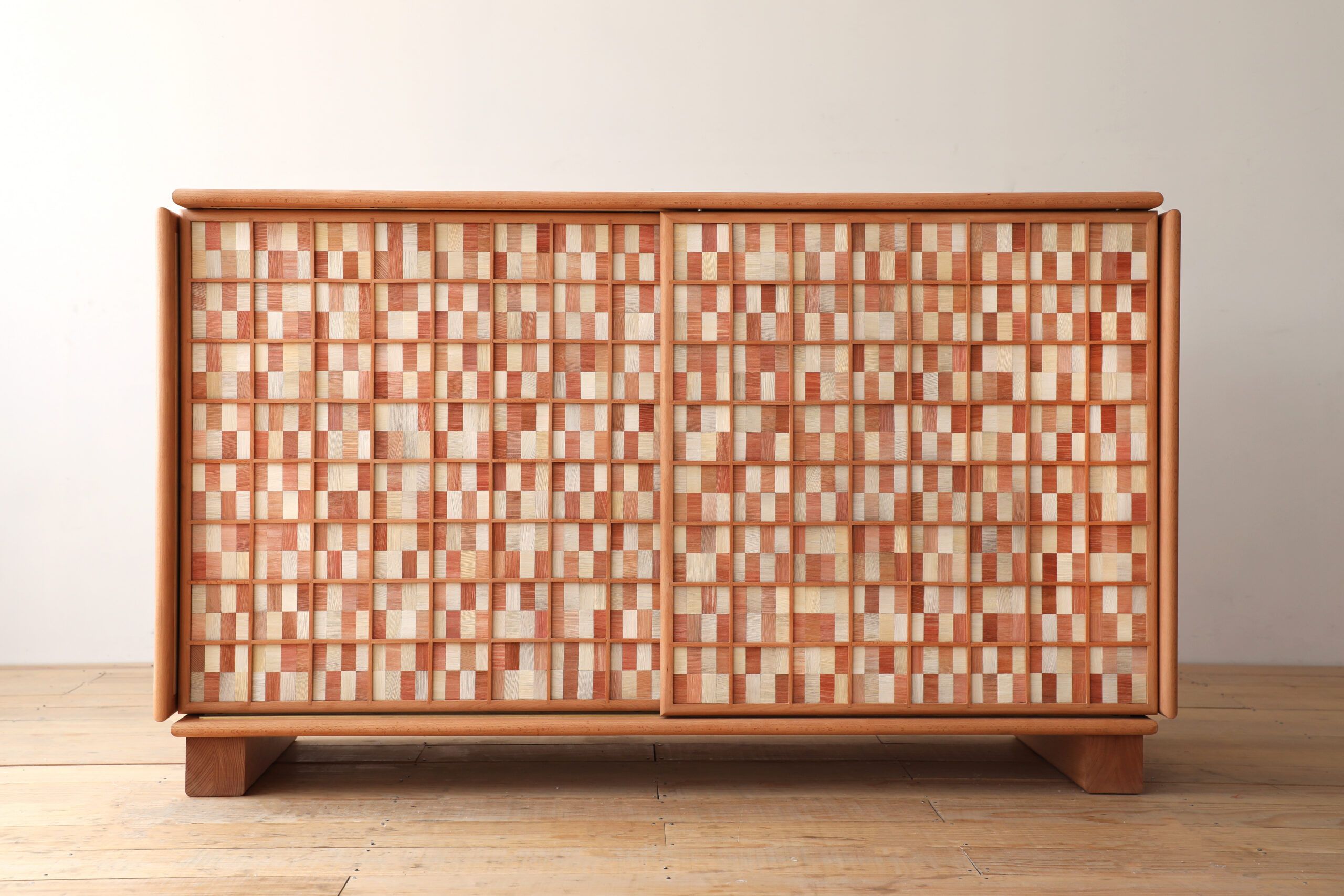
Fernando Laposse is a Mexican designer whose work focuses on transforming overlooked plant species indigenous to Mexico, such as sisal, loofah, and corn leaves, into furniture and installations. Laposse’s research-driven practice connects the historical and cultural ties between materials, people, and places, and he often collaborates with local indigenous communities.
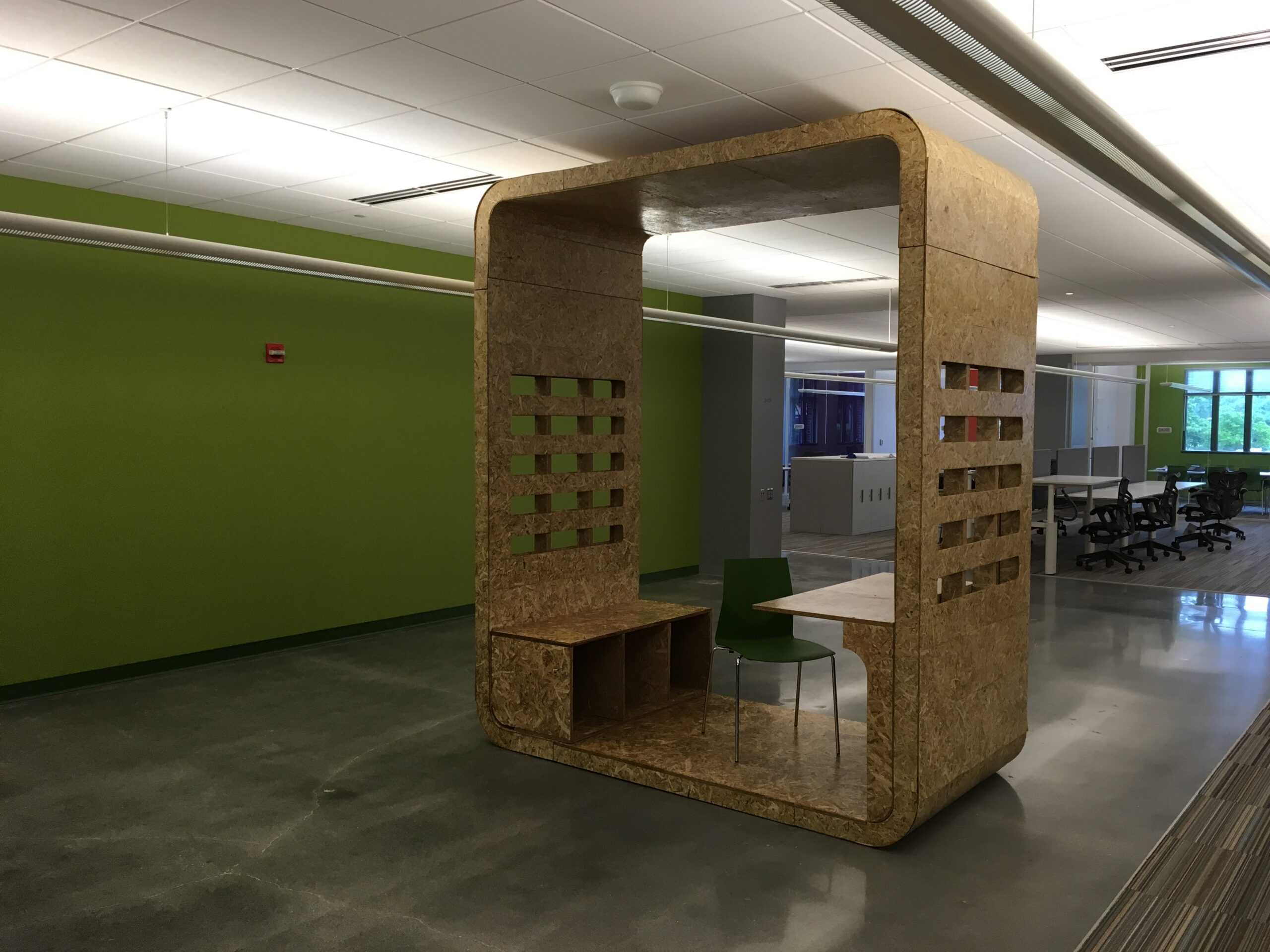
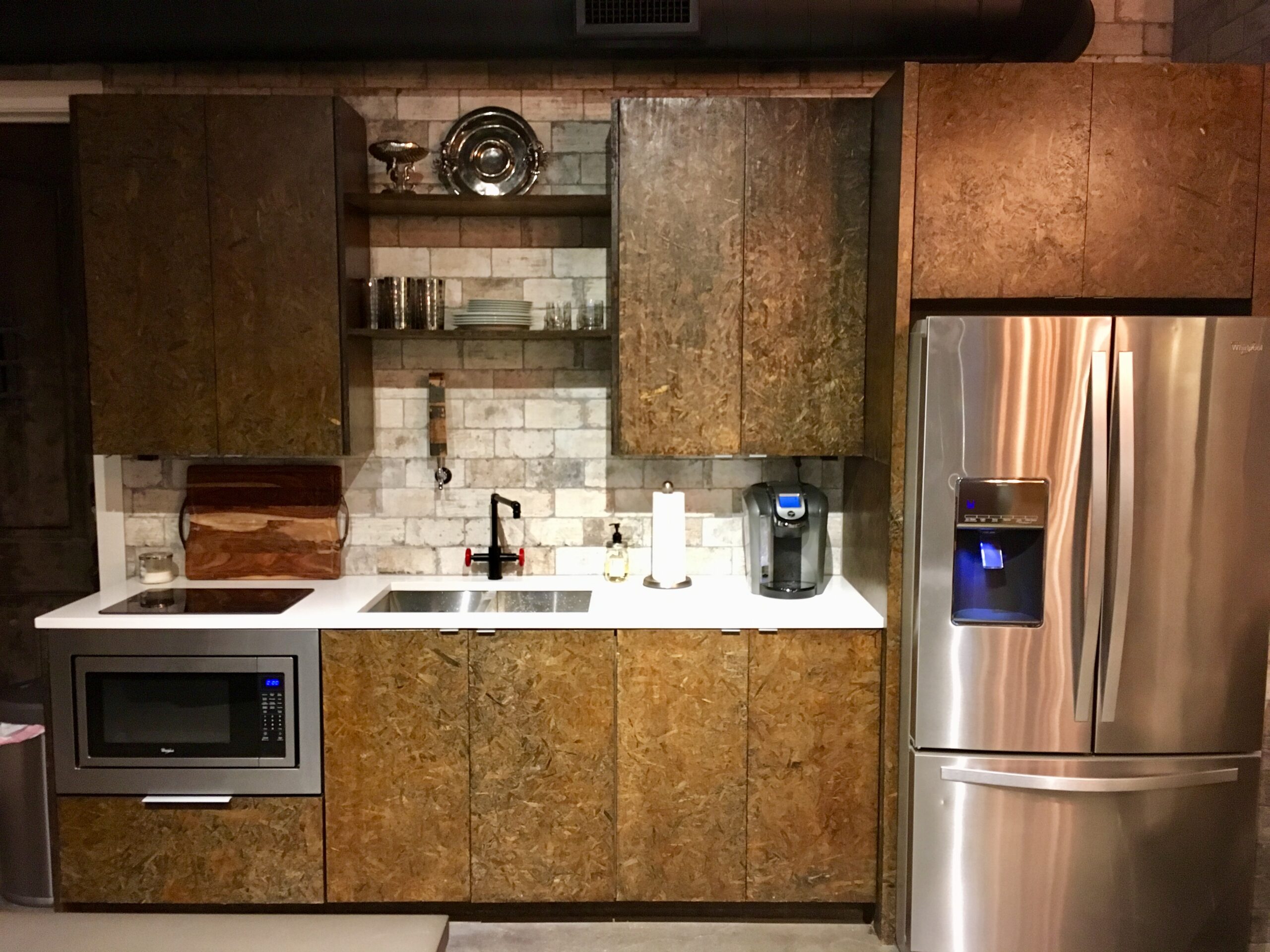
Lane Segerstrom is an entrepreneur and inventor. Born and raised on an Iowa farm, Segerstrom founded Corn Board Manufacturing, Inc. in 2010, which specializes in transforming under-utilized corn stover into sustainable products. The firm’s CornBoard™, produced from corn husks and leaves, is a versatile, sustainable alternative to pressed wood.
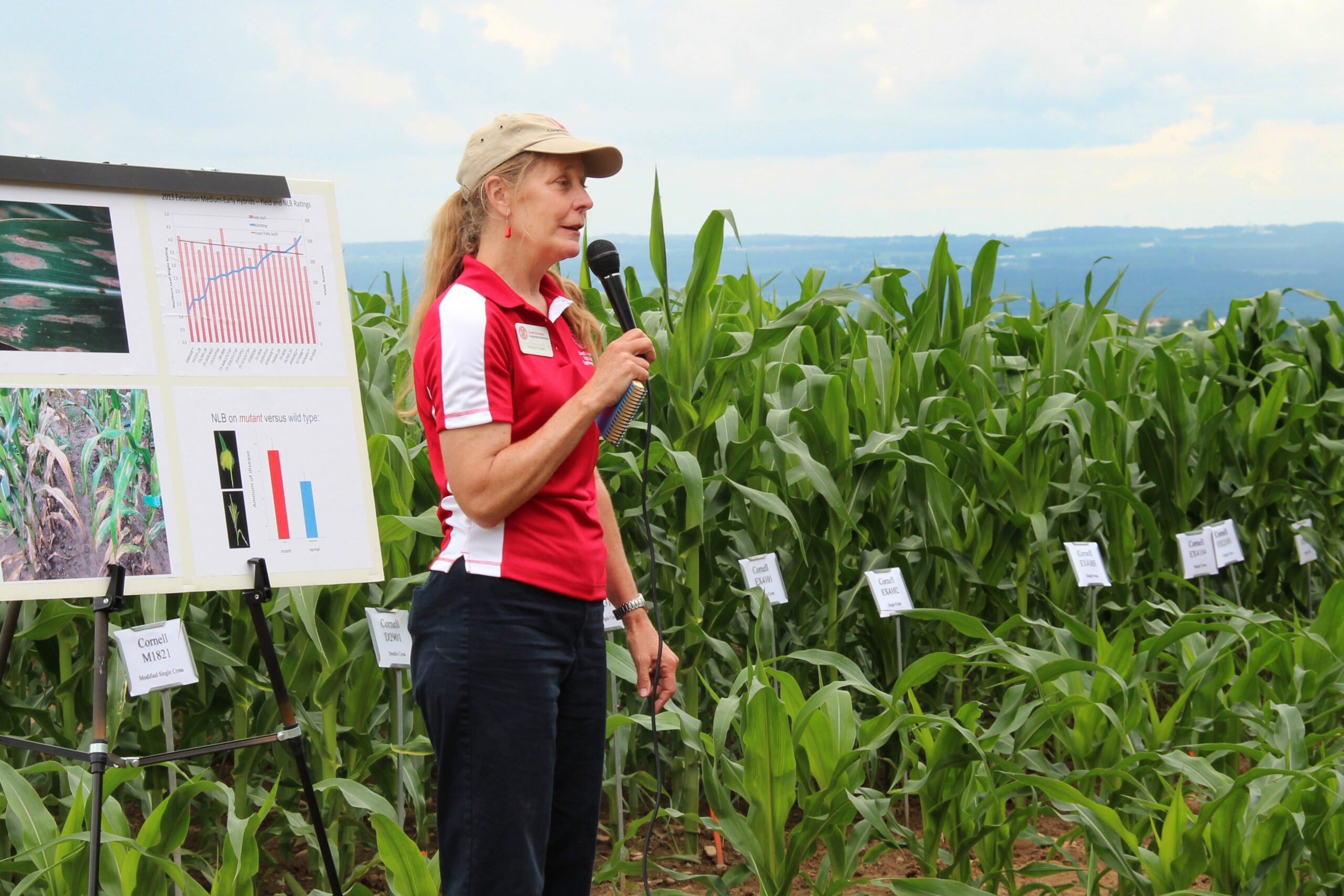
Margaret Smith is a professor at Cornell College of Agriculture and Life Sciences’ Department of Plant Breeding and Genetics. Primarily focused on field corn, Smith’s research explores how to breed corn for productivity, improving its resistance to insects and diseases, and adapting it to New York State’s growing conditions. Since 2001, Smith has conducted extensive educational programs on crop varieties, seeds, and plant genetic engineering for a wide range of public audiences.
The discussion will be moderated by Mae-ling Lokko and Jonsara Ruth.
Mae-ling Lokko is an architectural scientist, designer, and educator from Ghana and the Philippines who works with agro-waste and renewable bio-based materials. She is an assistant professor at Yale University and founder of Willow Technologies, a sustainable materials and building technology company. Lokko, in her own words, “explores partnerships that enable generative justice” by developing low carbon bioregional material cycles, fair labor practices, and innovative production models.
Jonsara Ruth is co-founder and design director of Healthy Materials Lab (HML) at Parsons School of Design, working with a dedicated research team to understand how human and planetary health are affected by materials that surround us and advocate for a healthier future. She is an associate professor and founding director of the MFA Interior Design program at Parsons. Ruth founded Salty Labs, a design collective, to experiment and implement designs that embody circularity with healthy, regenerative materials and strategies.
Support
This program is made possible by the members and supporters of The Architectural League of New York. Additional support is provided by the New York State Council on the Arts with the support of the Office of the Governor and the New York State Legislature.
The event was co-organized with the Healthy Materials Lab at Parsons School of Design.