From Field to Form: Ocean Flora
A group of experts will discuss the use of marine resources as building materials.
November 11, 2026
6:30 p.m.
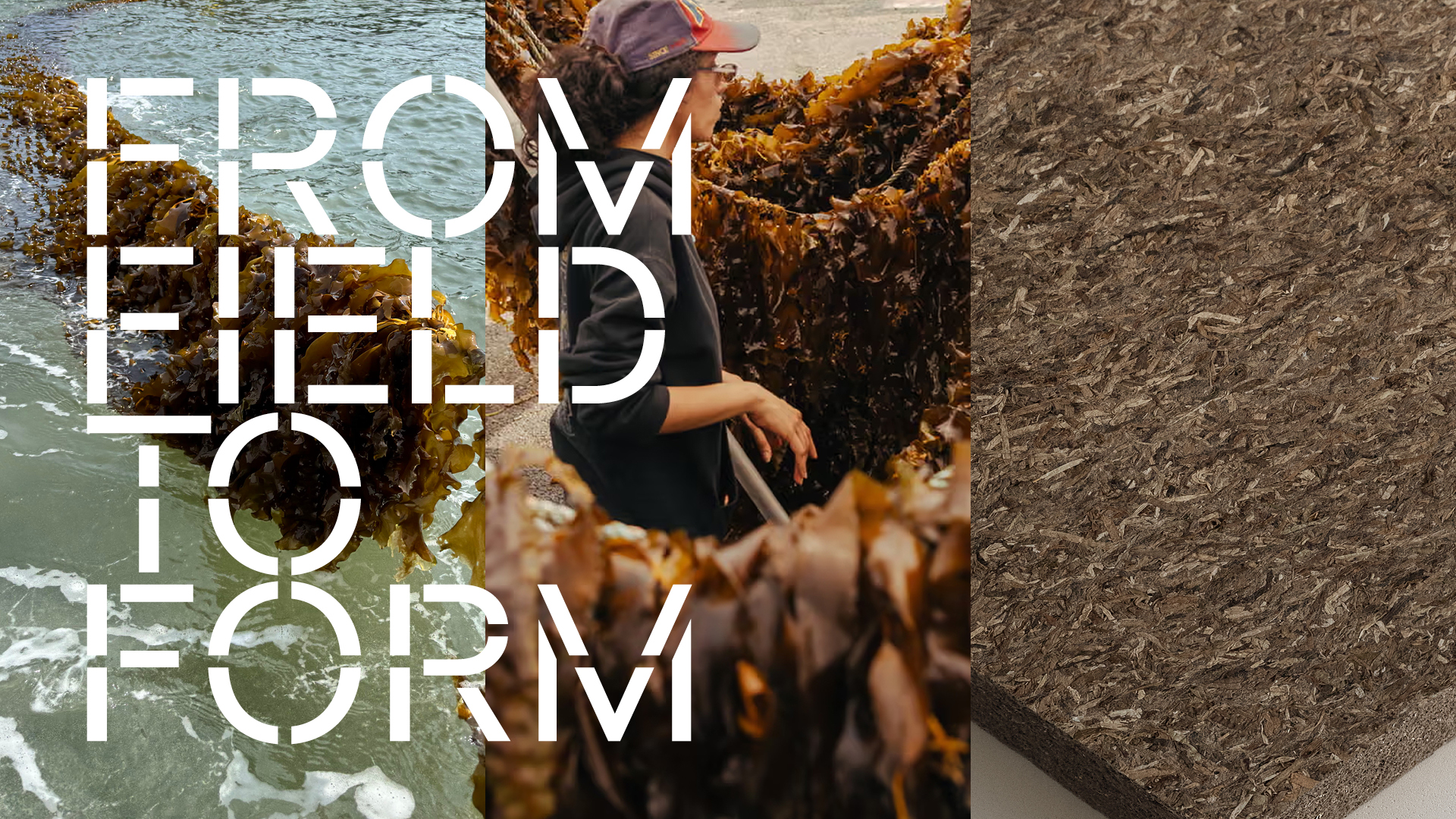
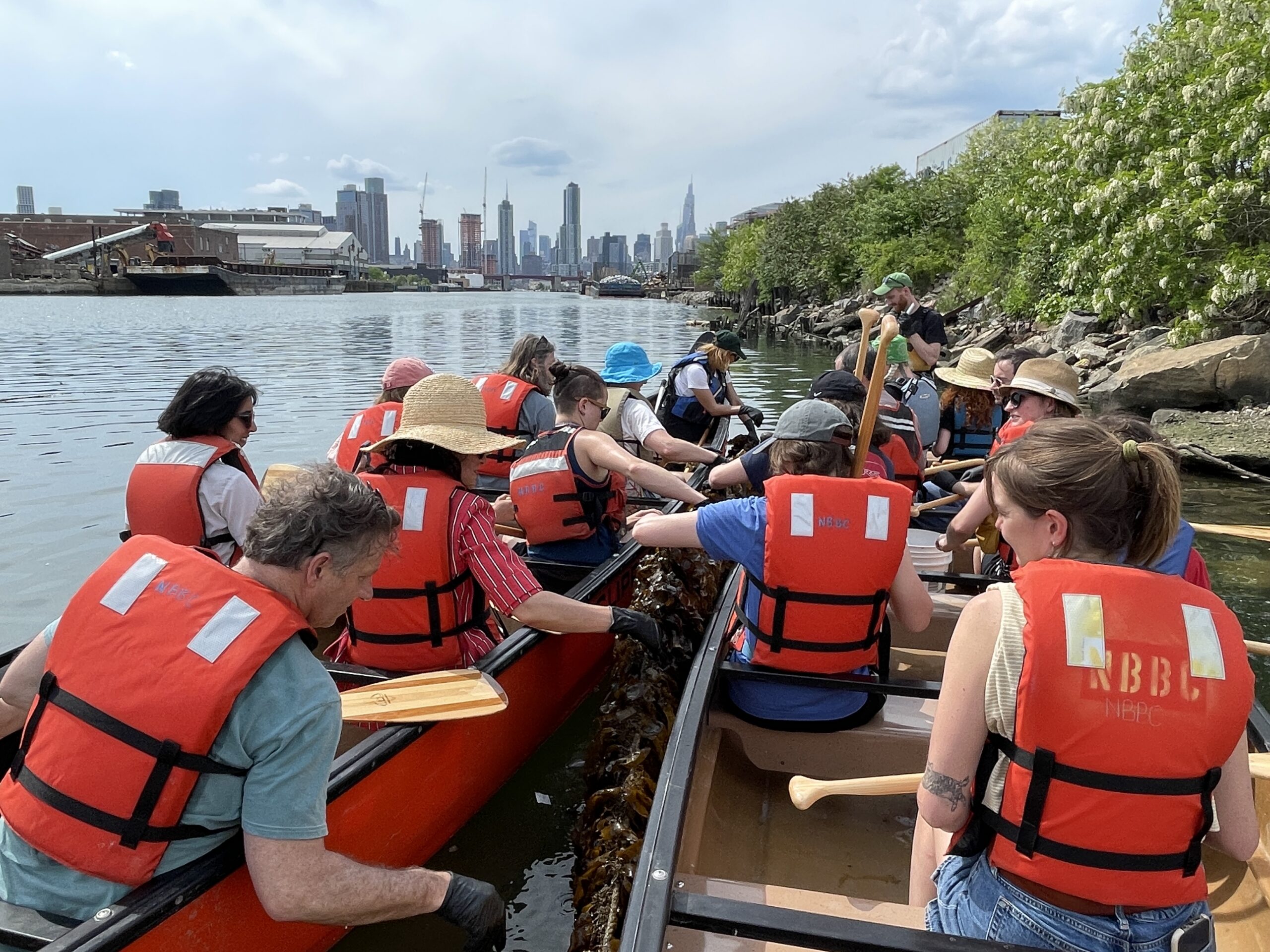
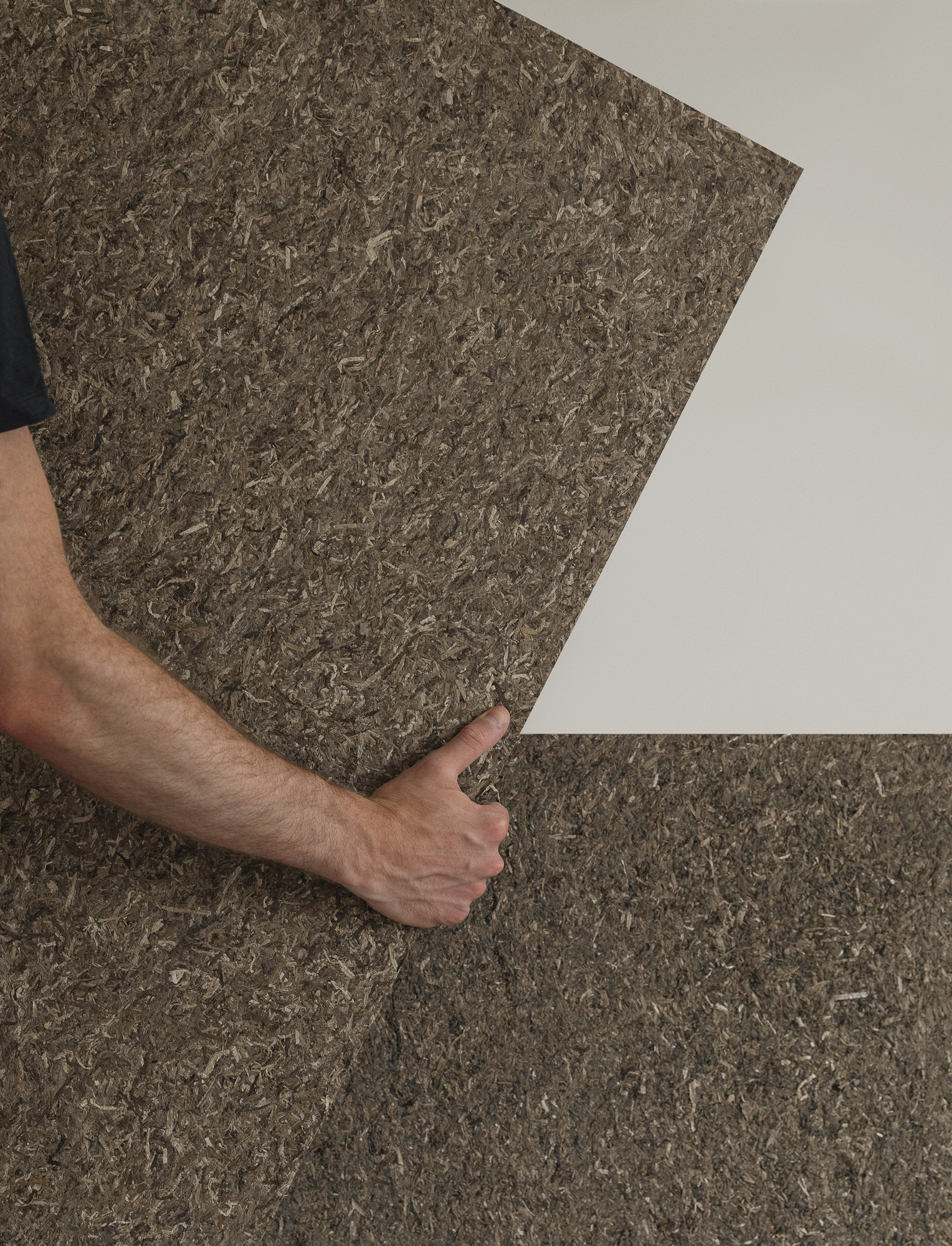
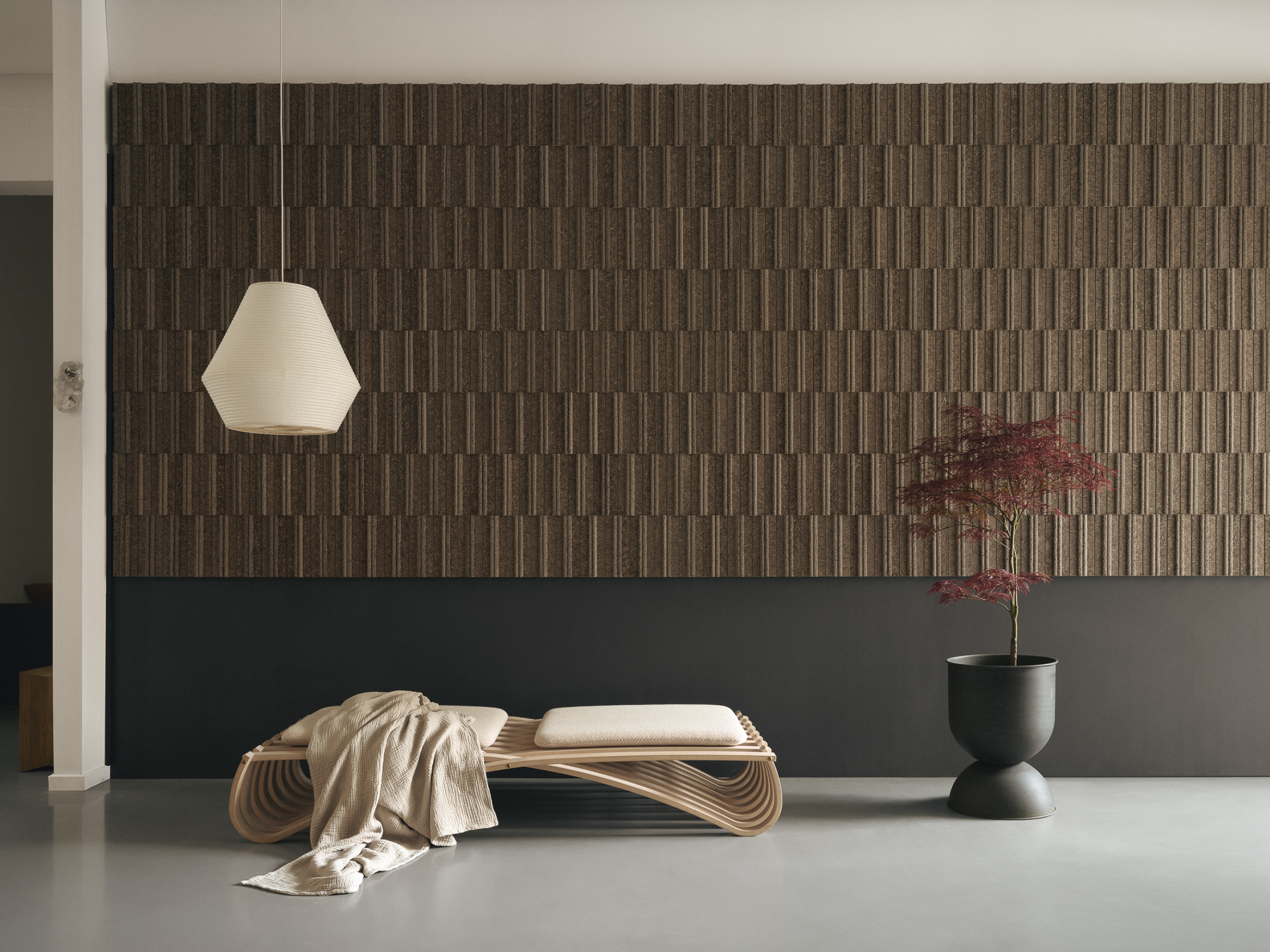
Left: Seaweed City | Kelp harvesting on Governors Island, 2026. Image credit: Seaweed City. Middle: Seaweed City | Kelp drying on Governors Island, 2026. Image credit: Seaweed City; Right: Søuld | Acoustic panels. Image credit: Søuld
From Field to Form is a series of events exploring the possibilities, life cycles, and architectural implications of plant and earth-based materials.
Oceans, critical ecosystems for planetary health, are gravely threatened by global industrial systems dependent on fossil fuels. Yet the ocean is also a source of possibility for the built environment, offering innovative materials for healthy buildings and the potential to remediate marine landscapes through new cultivation, harvesting, and manufacturing.
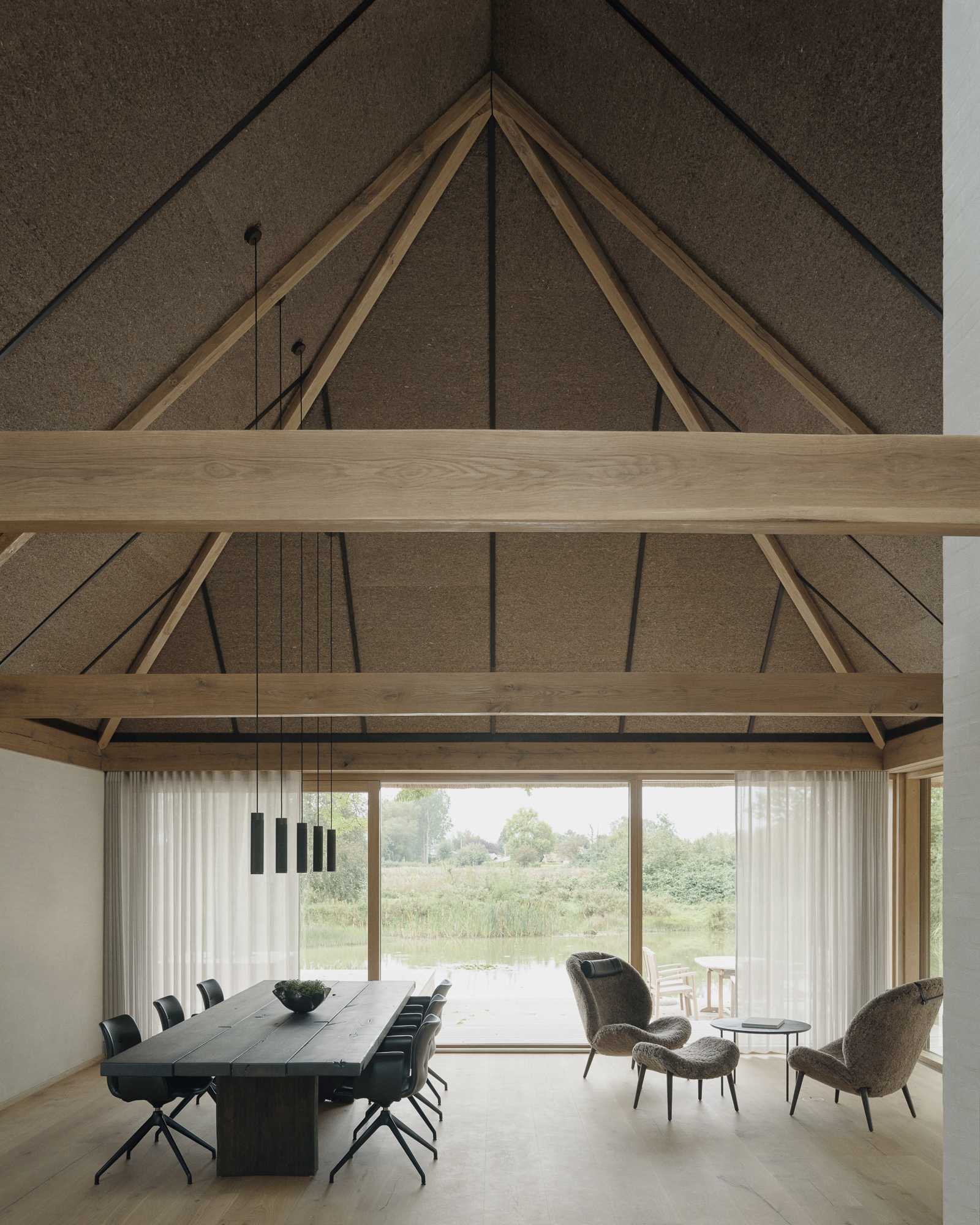
Sargassum, a genus of brown macroalgae now inundating shorelines, can be compressed into masonry blocks and cement composites for construction. Seagrass has been used as roof thatch for generations in many regions. And recent studies show pressed eelgrass mats can match the thermal performance of conventional wood-fiber insulation. As seaweed farming expands globally, kelp and other macroalgae are being studied as feedstock for bioplastics and biocomposites, and for their carbon sequestration potential. From naturally occurring materials to cultivated aquatic crops, the ocean offers material pathways toward a resilient, healthy, carbon-free future on land and at sea.
Organized in partnership with Healthy Materials Lab at Parsons School of Design, this event convenes experts in ocean farming and sourcing alongside manufacturers of biobased marine products and designers to discuss how we can learn from, repair, and build with the world’s oceans.
Panelists
Iván García Kerdan is an associate professor, researcher, and head of the School of Engineering and Sciences at Tecnológico de Monterrey. His work focuses on developing and applying advanced modeling frameworks to design and optimize energy systems, with an emphasis on urban sustainability, decarbonization pathways, and interdisciplinary solutions.
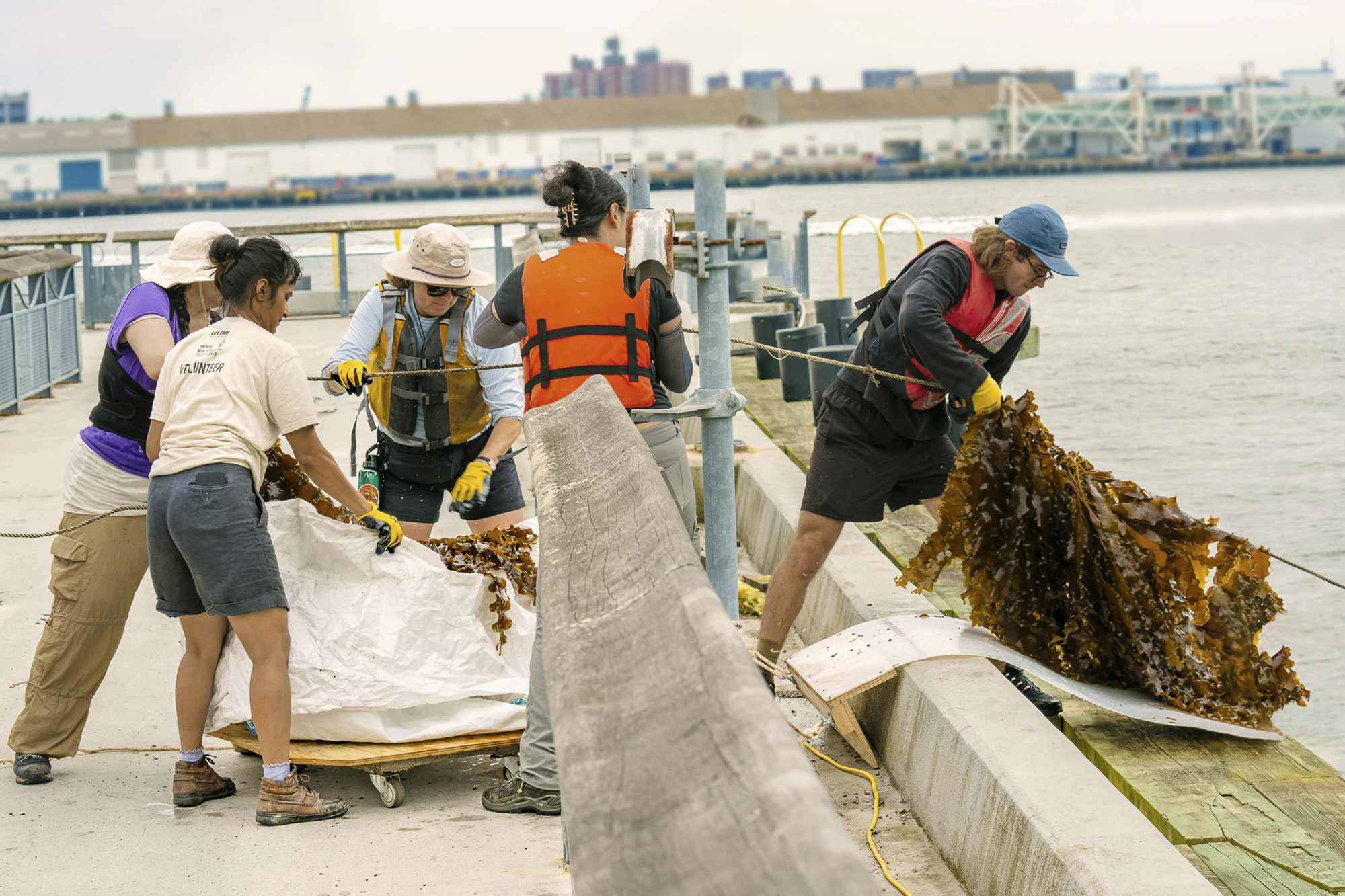
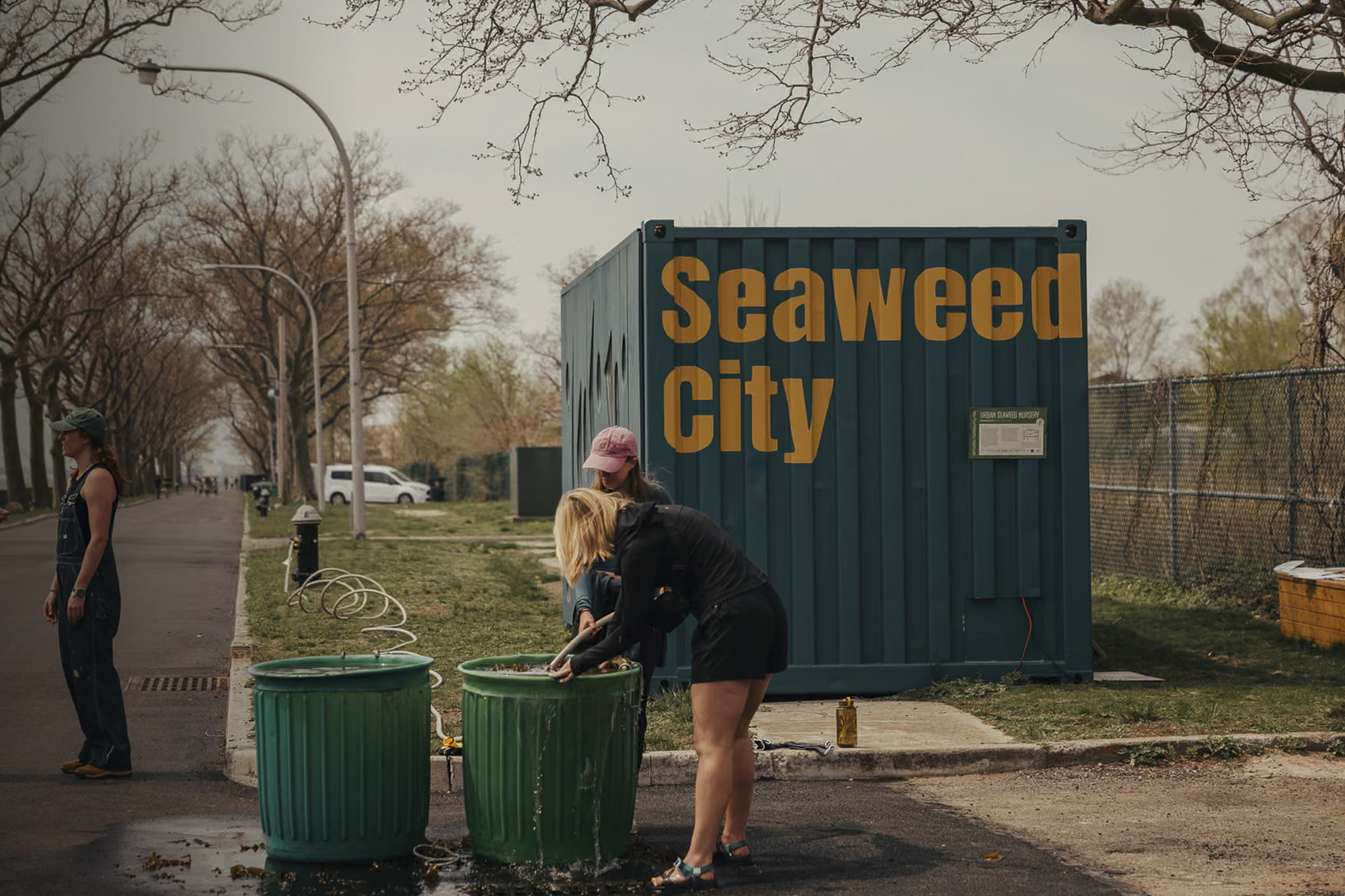
Shanjana Mahmud is an artist, activist, and sea farmer. She is a co-founder of Seaweed City, a nonprofit organization dedicated to growing seaweed along New York City’s coastline in order to “clean water, rebuild marine ecosystems, and support coastal resilience,” in the organization’s own words.
Tobias Øhrstrøm is the co-founder of Søuld, a Danish material manufacturer specializing in acoustic products made from eelgrass. A trained engineer and architect with deep technical and material knowledge, Øhrstrøm leads Søuld in R&D, design, and creative direction.
The discussion was moderated by Mae-ling Lokko. Lokko is an architectural scientist, designer, and educator from Ghana and the Philippines who works with agro-waste and renewable bio-based materials. She is an assistant professor at Yale University and founder of Willow Technologies, a sustainable materials and building technology company.
Support
This program is made possible, in part, by the members and supporters of The Architectural League, the J. Clawson Mills Scholarship Fund, and public funds from the New York State Council on the Arts with the support of the Office of the Governor and the New York State Legislature.
The event is co-organized with the Healthy Materials Lab at Parsons School of Design.